Solar fault finding
Solar PV Fault Finding and Diagnosis
Output down and no idea why? A proper diagnosis finds the actual cause, so you're not paying to replace parts that were never the problem.
- Independent Technicians
- No Obligation
- No Pressure

Solar fault finding
Output down and no idea why? A proper diagnosis finds the actual cause, so you're not paying to replace parts that were never the problem.
Some solar PV problems are straightforward. Others leave few clues beyond lower generation, occasional inverter warnings or a system that works one day and stops the next. Fault finding is designed for those situations.
A technician works through the relevant parts of the installation methodically, using the symptoms and test results to narrow down the cause. This can prevent unnecessary component replacement and provide a clearer basis for deciding what repair work is actually needed.

A PV system combines rooftop modules with DC wiring, connectors, isolation equipment, an inverter and AC-side components. A fault in one area can create symptoms somewhere else, making systematic diagnosis important.
Output that appears unusually low can be investigated after allowing for weather, season and other normal variations.
Problems that come and go can be particularly frustrating. Information about when they occur helps guide testing.
Warnings can originate from the inverter itself or conditions elsewhere in the PV installation.
Where records are limited or the original installer is unavailable, diagnostic checks can establish a clearer picture of the system.
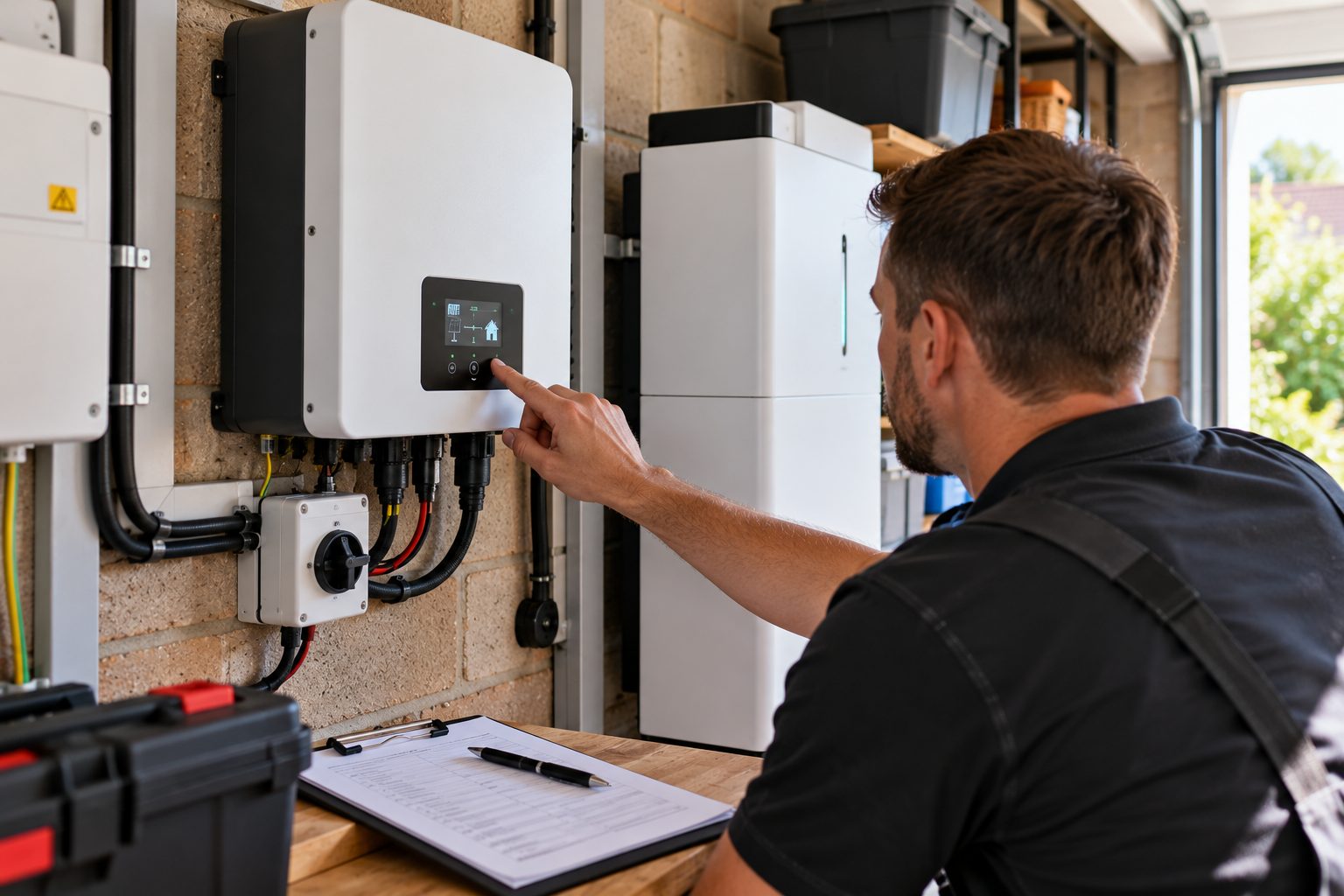
The problem is narrowed down rather than parts being changed at random.
Diagnosis is especially valuable where the original installer is unavailable or documentation is limited.
The purpose of fault finding is to turn an unexplained problem into a practical repair decision.
An unexplained solar problem does not need to stay unexplained.
Free — no obligations
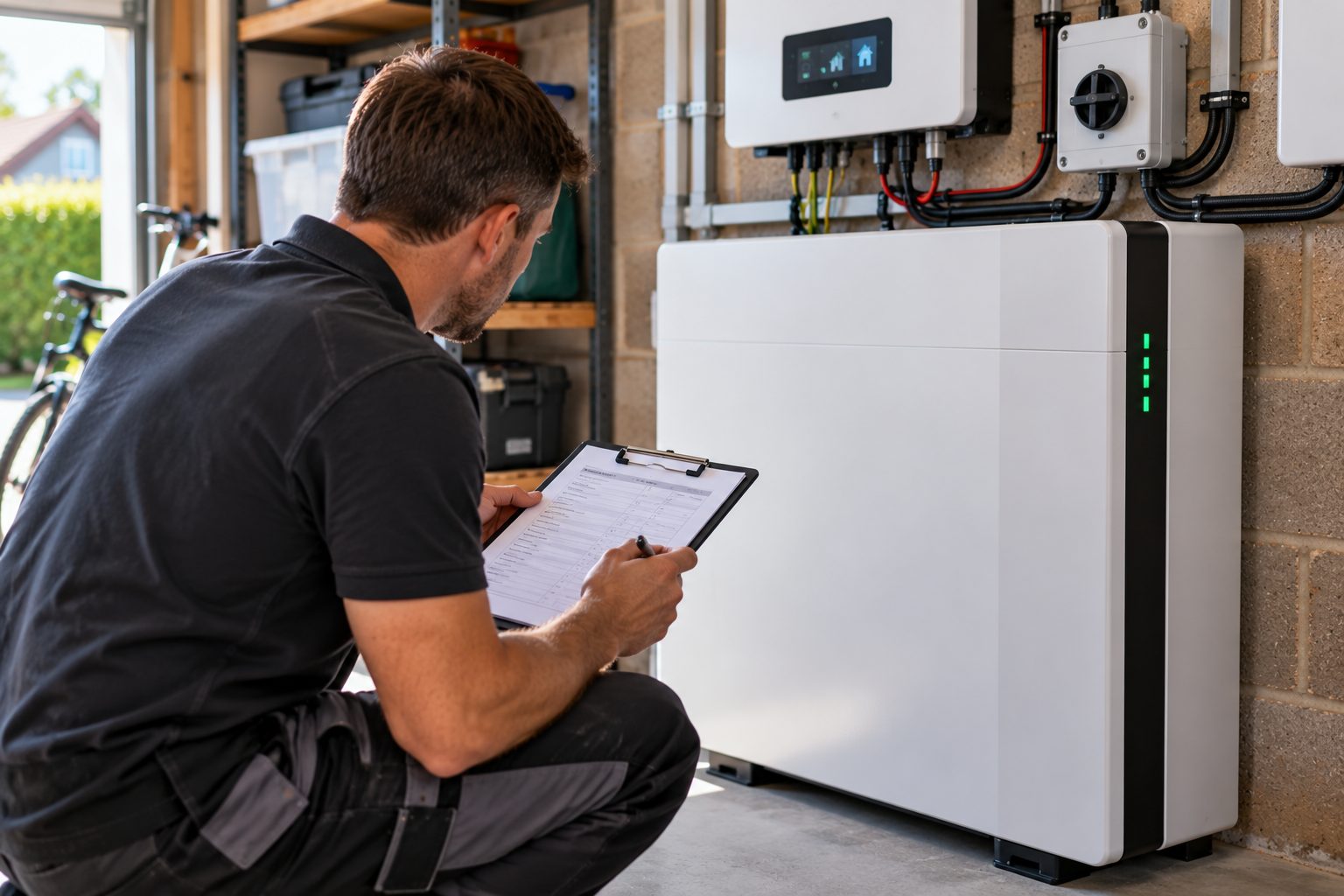
The technician asks what has changed and gathers available information about the system.
Relevant equipment is visually checked for obvious signs of deterioration or damage.
Appropriate electrical and operational checks are used to narrow down the issue.
The technician explains the likely cause and recommended next action.